
Introduction
Choosing the best solid surface bathtub for your hotel can be a challenge—we know that balancing style, durability, and guest satisfaction in hotel design is critical.
That’s why this article is designed to help. We’ll walk you through why solid surface bathtubs are a good fit for hotel projects and answer questions about the material’s properties and the different demands for solid surface bathtubs in different regions.
We’ll also deep in how regional preferences—whether it’s North America, Asia, or a resort destination—can influence the selection process. Ultimately, you’ll have a clear understanding of how to choose the right solid surface bathtub solution for your hotel.
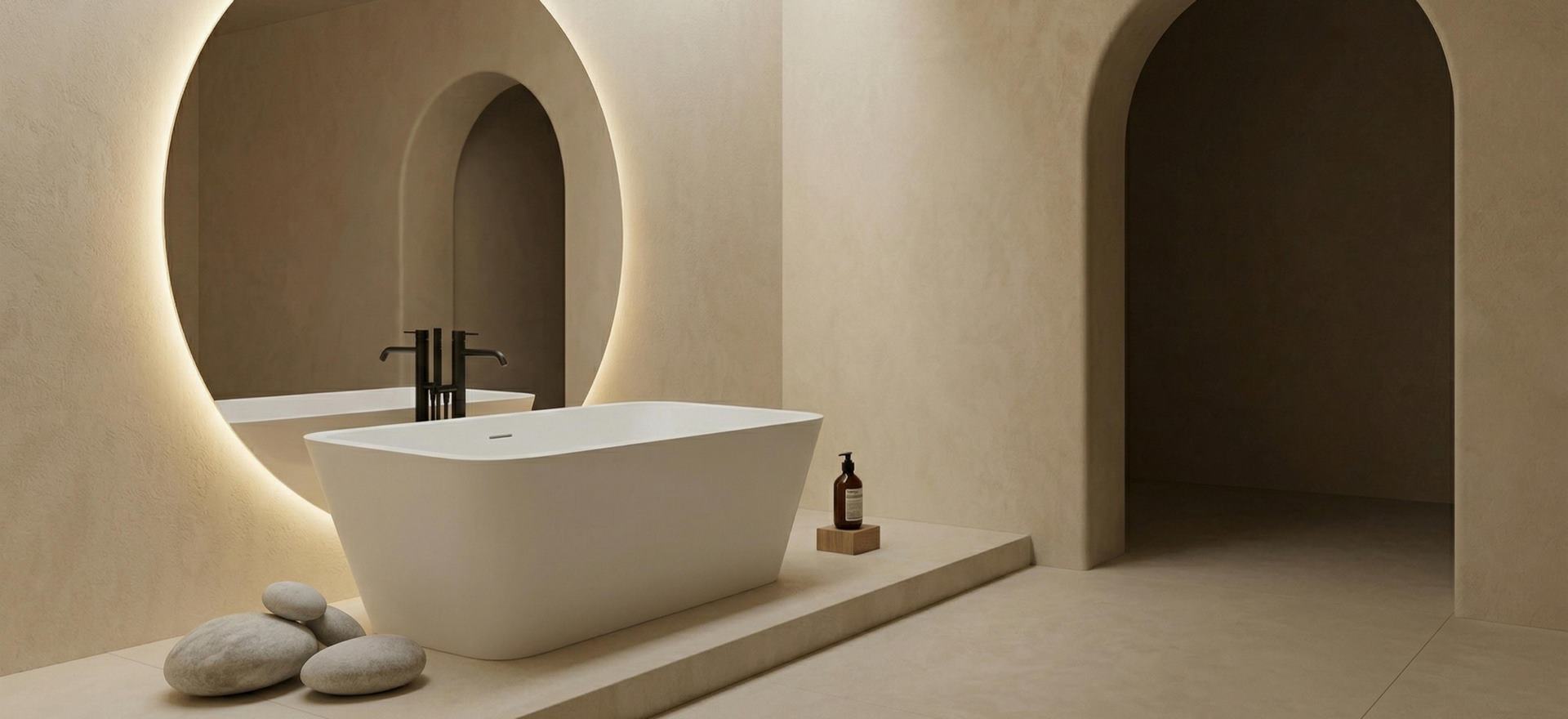
Why Hotels Worldwide Are Choosing Solid Surface Bathtubs
Hotels need bathtubs that look luxurious, last for years, and stay pristine under heavy use. That’s why solid surface is becoming the top pick—here’s why:
The Perfect Blend of Luxury & Practicality
Unlike traditional materials, solid surface bathtubs offer:
Hygienic & Easy to Clean – Non-porous, so no grime buildup, no stains, and no bacteria hiding in seams. A quick wipe-down keeps them looking new.
Built for Heavy Use – No yellowing, no limescale buildup, and no wear from constant cleaning—ideal for high-traffic hotel rooms.
Luxury That Lasts – Smooth, warm-to-the-touch surfaces feel premium, enhancing the guest experience without sacrificing durability.
Eco-Friendly & Low Maintenance – Made from sustainable materials, resistant to cracks, and easily repairable if scratched—cutting long-term costs.
Safety-Approved Options – Some high-end models come flame-retardant, meeting strict hospitality safety standards.
Why Hotels Can’t Go Wrong
Solid surface bathtubs strike the perfect balance: they impress guests, reduce housekeeping headaches, and save money over time. No wonder they’re the first choice for modern hotels worldwide.
North America
Preferred Styles: Freestanding oval, drop-in, egg-shaped, or boat-shaped tubs.
Color Choices: High-gloss or premium matte; predominantly white, with growing interest in dark grey or matte black.
Size Range: 1700–1800mm (L) × 800–850mm (W); depth ≥450mm.
Usage Trend: Spacious hotel bathrooms accommodate large soaking tubs; wellness-focused guests seek full-body immersion and relaxation.
Europe
Preferred Styles: Freestanding linear, boat-shaped, back-to-wall, or rectangular built-in tubs.
Color Choices: Sophisticated matte finishes—matte white or light grey.
Size Range: 1600×750mm or 1700×750mm; depth 400–450mm.
Usage Trend: Emphasis on eco-efficiency and ergonomic comfort. Integration with the bathroom’s overall design is key, often favoring built-in installations.
Japan & South Korea
Preferred Styles: Deep soaking tubs, integrated wall-mounted types.
Color Choices: Fine matte or pearl surfaces designed to resist scale buildup.
Size Range: 1300–1400mm (L) × 700mm (W); depth ≥500mm.
Usage Trend: Limited space drives preference for compact, deep tubs offering full immersion. High emphasis on anti-slip safety, ease of cleaning, and compatibility with modular bathroom units.
Southeast Asia
Preferred Styles: One-piece skirted or minimalist built-in tubs.
Color Choices: Anti-corrosive matte; textured options for anti-slip safety.
Size Range: 1500×750mm / 1600×750mm.
Usage Trend: Heat and humidity demand mold-resistant, easy-maintenance materials. Space constraints make mid-size models ideal. Many hotels seek balance between tropical design aesthetics and practicality.
Middle East
Preferred Styles: Double tubs, round or large freestanding oval tubs.
Color Choices: High-gloss white with luxury touches like champagne or gold accents.
Size Range: 1500×750mm / 1600×750mm.
Usage Trend: Bathing is part of daily routine and relaxation. High-end hotels invest in custom shapes, depth, and hydrotherapy features to deliver a luxury spa experience.
South America
Preferred Styles: Built-in tubs, skirted integrated models.
Color Choices: Predominantly glossy white.
Size Range: 1600×750mm / 1700×800mm.
Usage Trend: Bathtubs are becoming increasingly popular. Hotels prioritize cost-efficiency and practicality, often favoring functional features over form.
Africa
Preferred Styles: Extra-wide, freestanding oval or boat-shaped tubs; skirted wall-facing tubs.
Color Choices: White dominates, with niche demand for beige or off-white matte/gloss combinations. Key considerations include anti-yellowing, anti-scratch, and anti-scale coatings.
Size Range: 1700×800mm / 1800×850mm; depth ≥450mm.
Usage Trend: While bathing frequency may be lower, hotels emphasize ease of maintenance and long-term stability. Premium hospitality developments—especially those led by European design firms—opt for modern, minimalist tubs in ample bathroom spaces.
Conclusion
Hotels around the world choose solid surface bathtubs for their durability and easy maintenance, making them cost-effective. Unlike traditional materials, they are not only resistant to stains, scratches and bacteria, but also have a sleek appearance that will enhance any bathroom.
From spacious designs in North America to compact high-tech models in Asia, solid surface is able to meet customer needs in different regions. Its non-porous surface prevents dirt from accumulating, while easy repair ensures long-term cost savings.
For hoteliers, this means:
Higher guest satisfaction due to a high-quality and comfortable finish.
Resistant to stains and wear, it has lower maintenance costs.
Global versatility to meet any hotel style or market needs.